
The Sacred Tradition of Kava
A 3000-Year Legacy
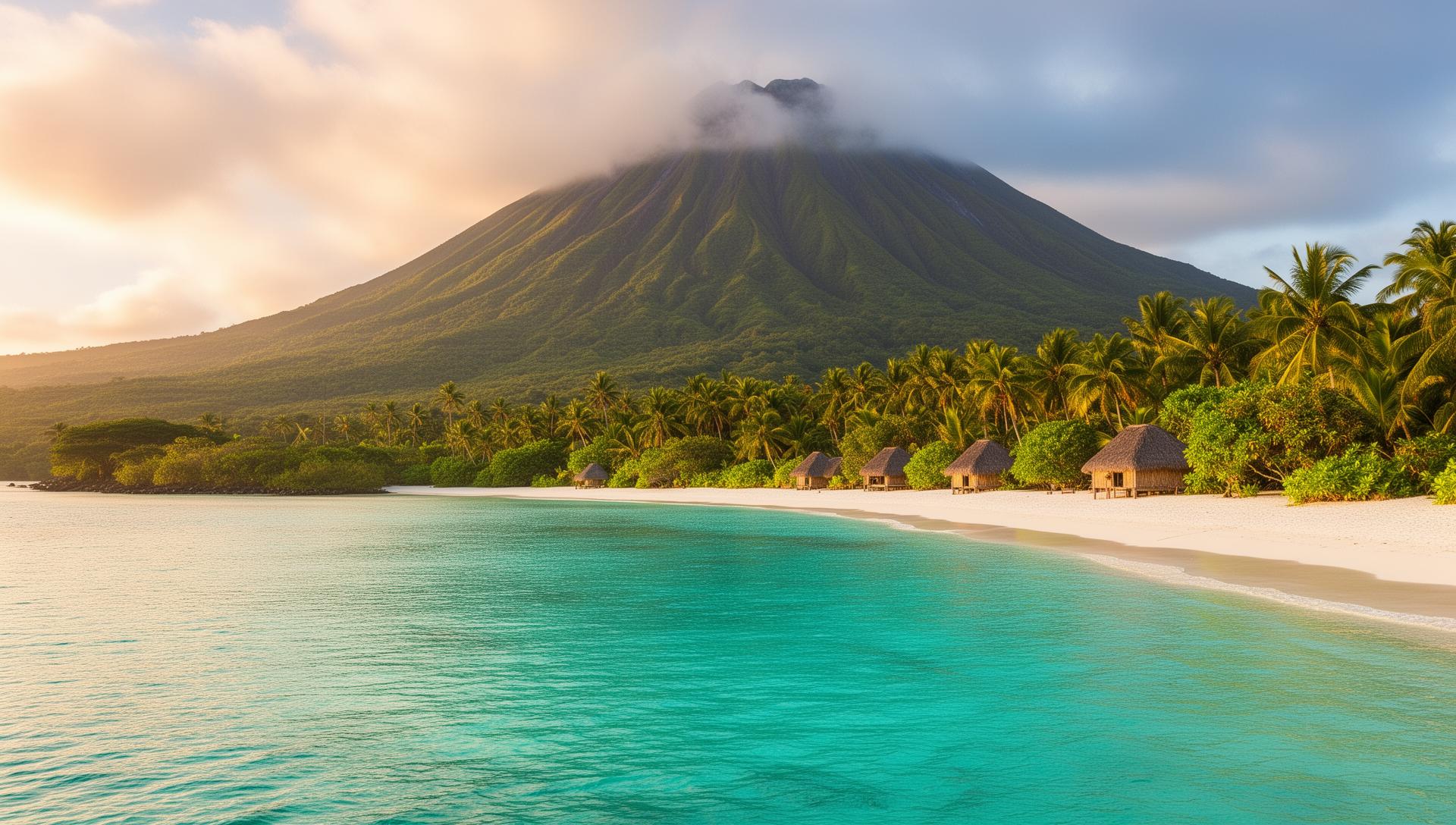
Kava Kava (Piper methysticum) has been cultivated in the Pacific islands for over three millennia. Archaeological evidence suggests that Kava was first domesticated in Vanuatu before spreading to Fiji, Tonga, Samoa, and other Pacific nations.
The name 'Kava' comes from the Polynesian word meaning 'bitter root', reflecting the distinctive taste of this remarkable plant. For Pacific peoples, Kava is far more than a plant — it is a living connection to their ancestors and traditions.

The Sacred Ceremony
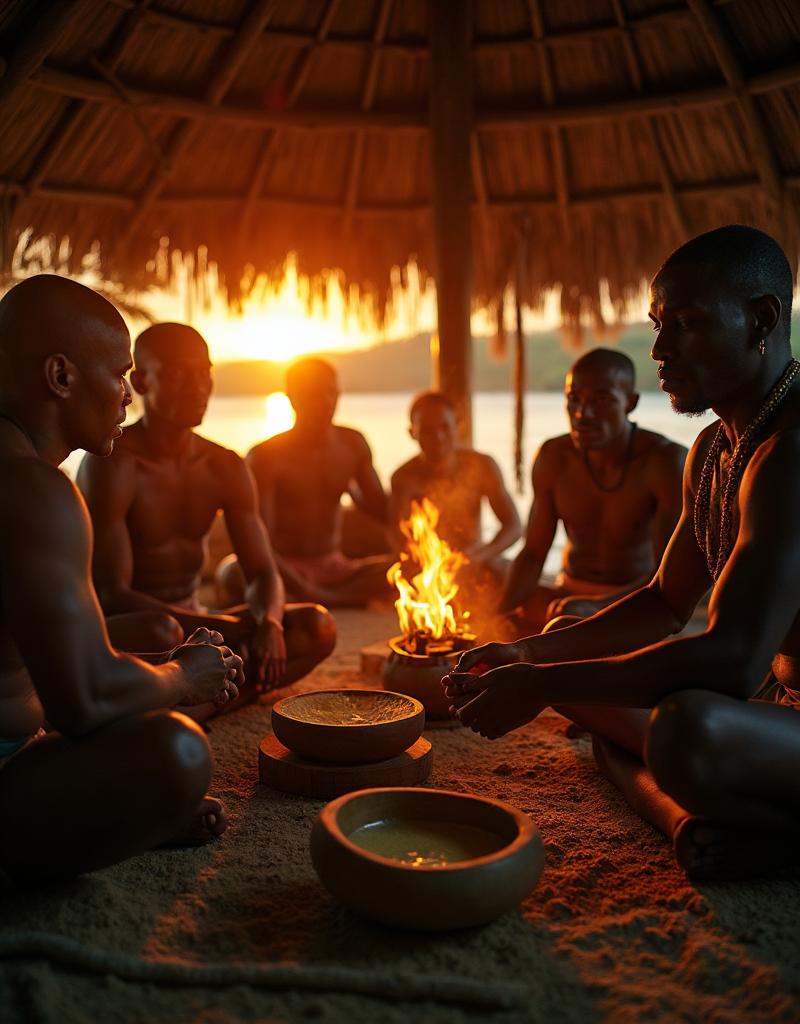
Modern day
Vanuatu Nakamal Ceremony
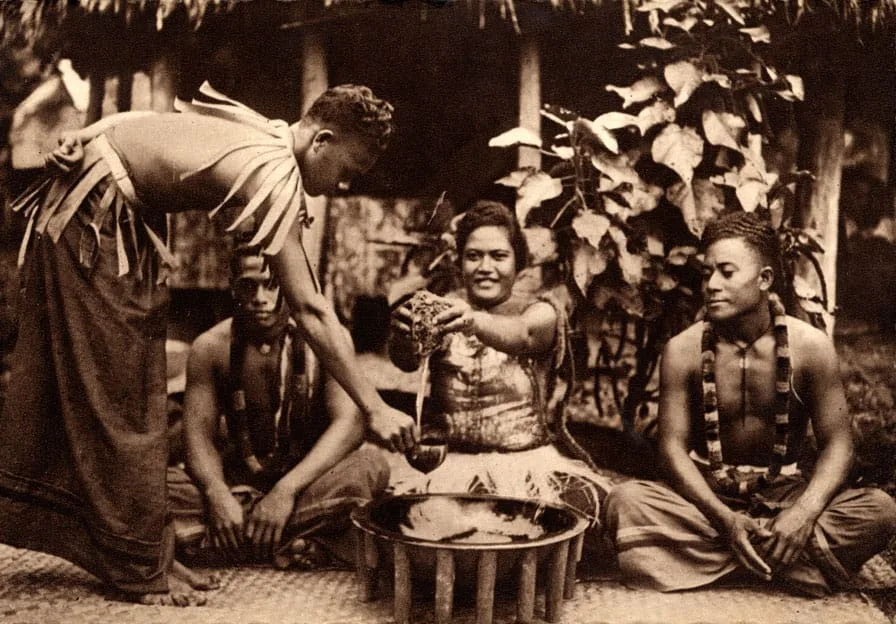
c. 1900-1930
Historic 'Ava Ceremony
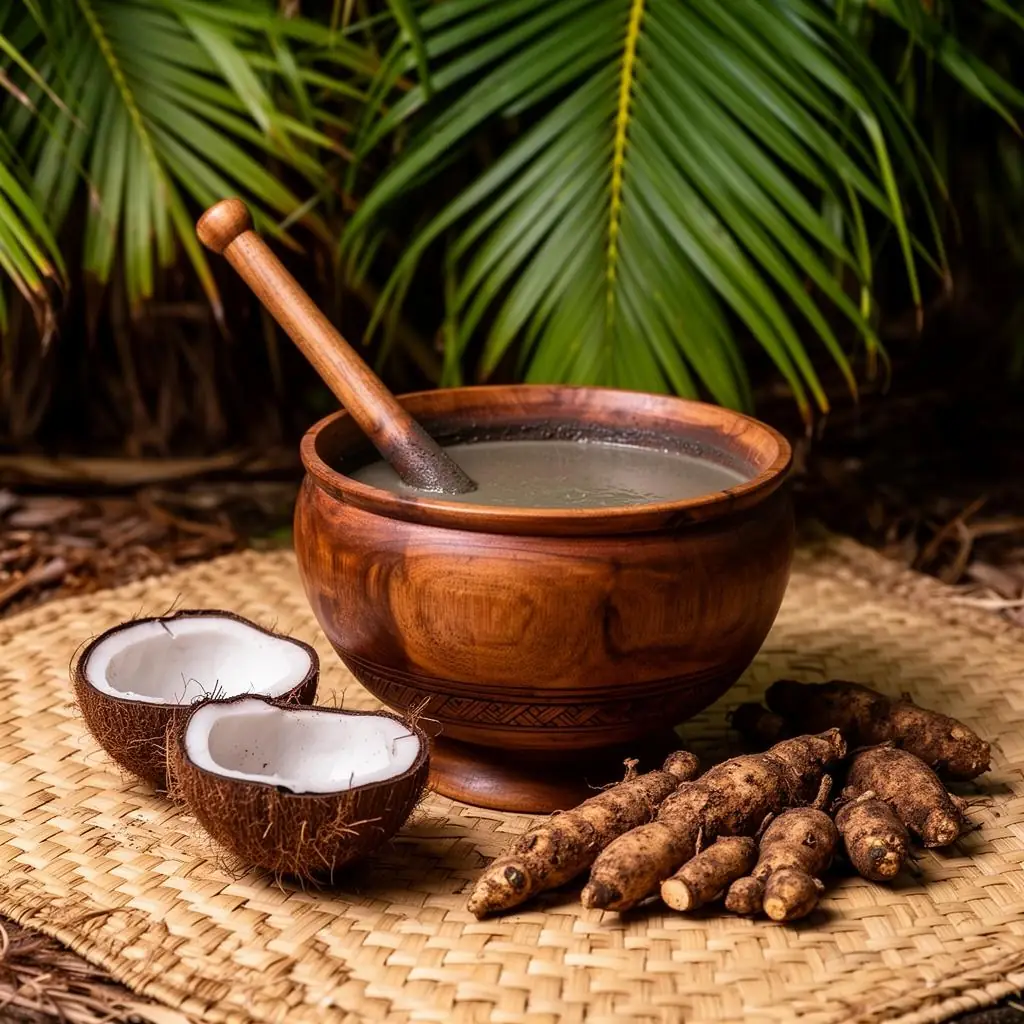
Traditional
Vanuatu Nakamal Gathering
Traditional Kava ceremonies are profound social and spiritual events. The preparation and sharing of Kava follows strict protocols that have been passed down through generations.
In Vanuatu, the ceremony is called 'nakamal', where men gather at sunset to share Kava in a sacred meeting house. The first bowl is always offered to the highest-ranking chief, followed by others in order of status.
"The ceremony promotes peace, unity, and open communication. Disputes are settled, agreements are made, and community bonds are strengthened over the shared Kava bowl."
Cultural Significance
Diplomacy
Used to seal peace agreements between villages and nations
Spirituality
Bridges the connection between the living and ancestors
Hospitality
Offered to guests as a sign of welcome and respect
Community
Strengthens social bonds and promotes harmony
Islands of Origin
Each island cultivates unique Kava varieties with distinct characteristics
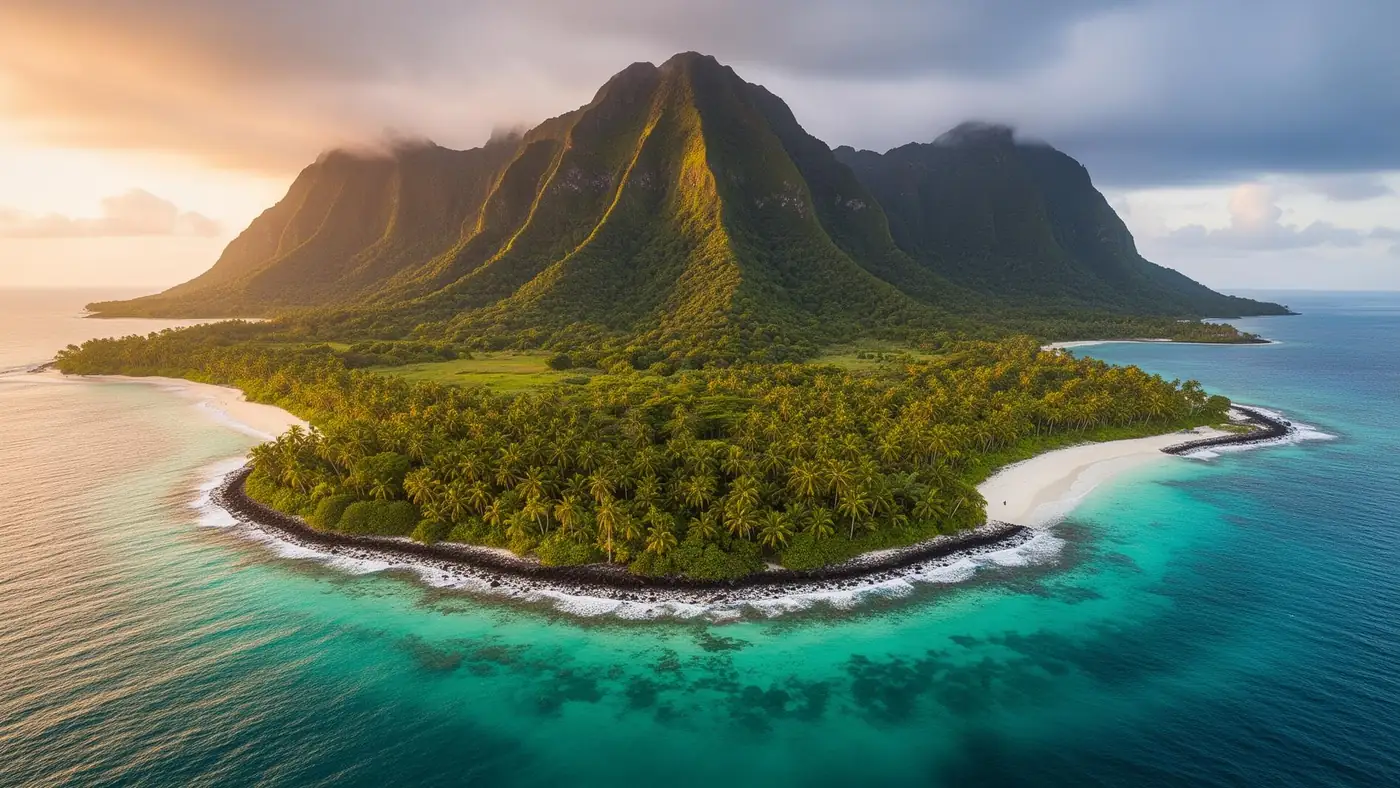
Pentecost Island
Volcanic island, home of the Borongoru cultivar (chemotype 243615)
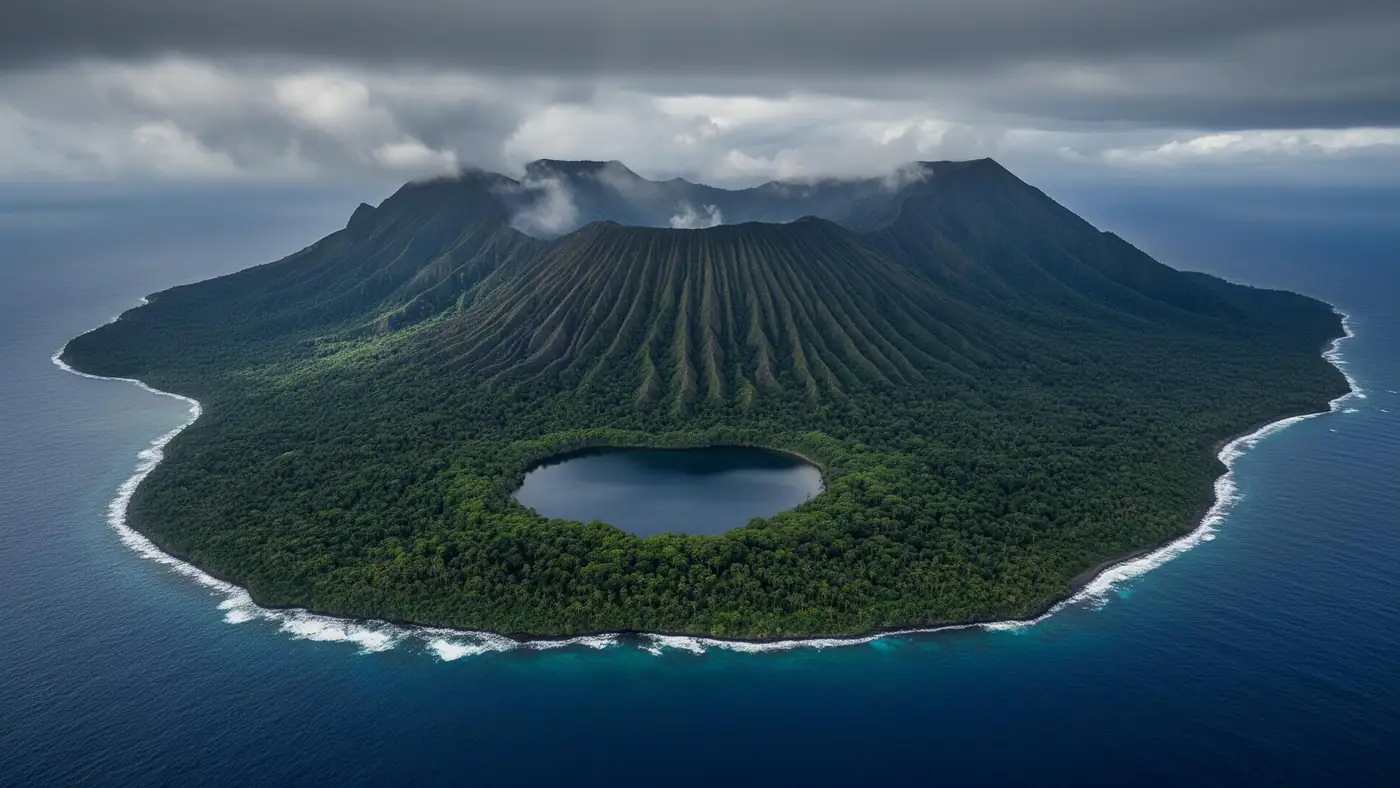
Ambae Island
Where the Melo Melo cultivar (chemotype 423615) is grown
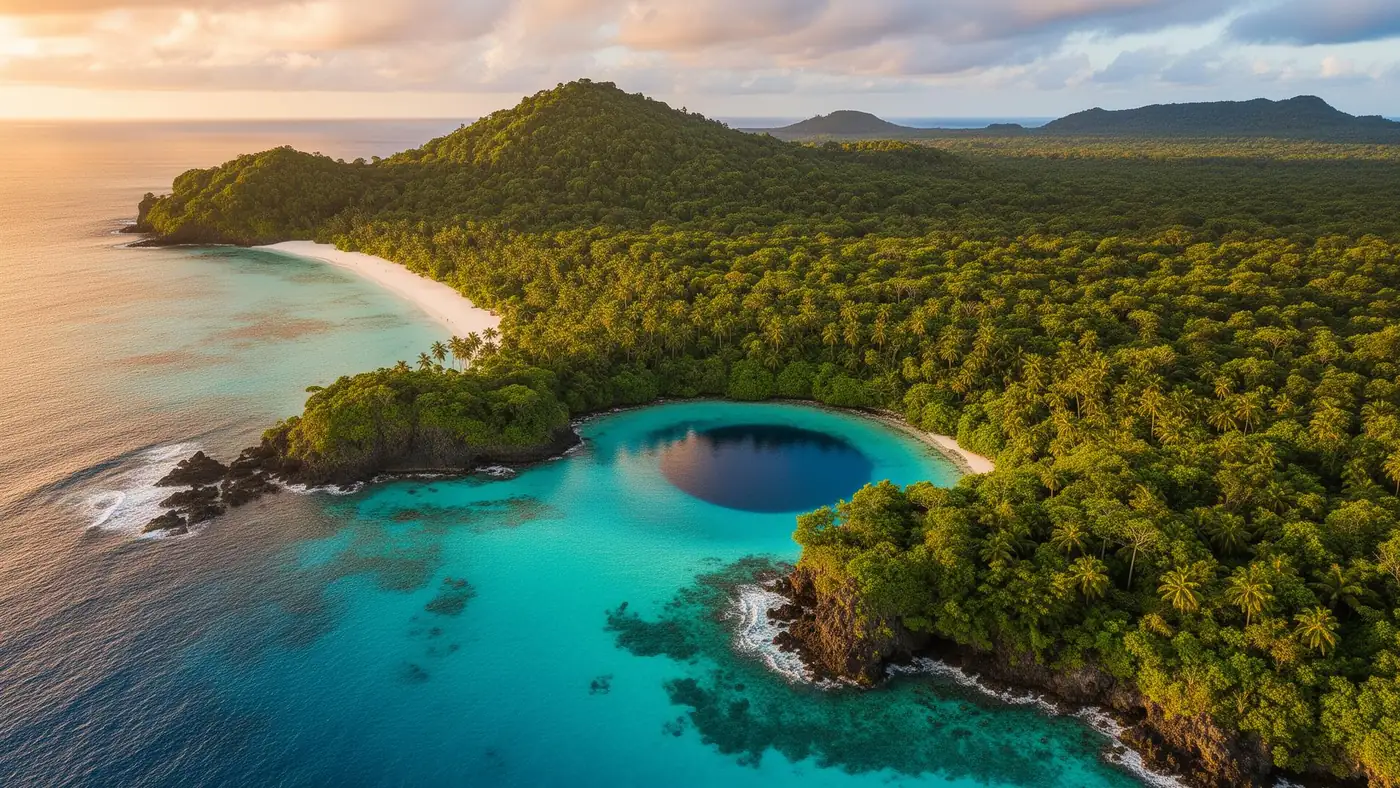
Espiritu Santo
Largest island with diverse varieties